Unlock Precision: The Addie Hairline Font for Creative Projects
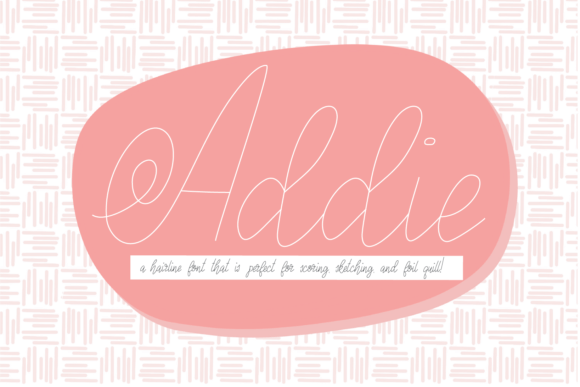
Have you ever watched your cutting machine attempt to score a delicate line or sketch a thin script, only to end up with a result that looks jagged, broken, or simply too thick? If you are a designer or crafter relying on tools like the Glowforge, Silhouette, or Cricut, you know that standard typography often fails to translate into physical media. This is where the concept of a specialized hairline font becomes a game-changer. It is not just about finding a pretty typeface; it is about finding a tool engineered for the specific physics of scoring, sketching, and foiling. The Addie font represents a modern solution to this persistent problem, offering a quirky, ultra-thin design that behaves perfectly under the needle or laser.
Why Standard Fonts Fail in Physical Media
When you select a standard font for a digital project, you are looking at vector shapes filled with color. However, when you send that same font to a pen plotter or a scoring machine, the machine often interprets the outline of the letter. This results in "double lines" where the pen traces the outside and inside of the stroke, leaving a hollow center or a messy, filled-in blob. To avoid this, crafters typically have to use the "draw" or "score" line settings, but even then, many fonts are simply too bold to look elegant at a thin stroke width.
Addie solves this by removing the complexity of the fill. It is designed specifically as a single-line font. In your design software, you simply switch the fill to "none" and apply a line color. The machine then draws a single, continuous path for each letter. The result is a crisp, solid line without the "pesky center void" that plagues other typefaces. This distinction is vital for anyone serious about professional-quality physical products.
The Visual Appeal of the Hairline Aesthetic
Visually, Addie brings a specific kind of elegance to the table. It is based on the structure of the popular Ashleigh font family but stripped down to its absolute thinnest form. The result is a typeface that feels airy, modern, and incredibly delicate. It carries a quirky personality—perhaps slightly whimsical but grounded in clean geometry—that makes it suitable for a wide range of aesthetic preferences.
This hairline style taps into a broader trend in modern typography where minimalism and negative space are used to create sophistication. In branding, a thin, airy font can suggest luxury, precision, and attention to detail. Unlike heavy, blocky serifs that shout for attention, a hairline font whispers. It draws the viewer in, requiring them to look closer, which is a powerful psychological tool in design.
Practical Applications for the Modern Crafter
The utility of a font like Addie extends far beyond simple greeting cards. Its unique construction makes it a versatile asset for various commercial and personal projects. If you are running a small business selling handmade goods, or if you are a designer creating assets for clients, understanding where this font shines is key to maximizing its value.
Packaging and Branding
For small business owners, packaging is the first physical touchpoint with a customer. Imagine a kraft paper box for a handmade candle or a jewelry pouch. Using a standard sticker printer is one option, but using a foil quill with a hairline font creates a tactile, high-end experience that stickers cannot replicate. The Addie font allows you to add elegant product names, ingredients, or "Thank You" notes directly onto the packaging material. Because it is a single-line font, the foil application will be seamless and shiny, without the dull spots that occur when a machine tries to fill in a thick letter.
Wedding Stationery and Invitations
The wedding industry relies heavily on texture and detail. Scoring is often used to create fold lines, but it can also be used decoratively on vellum overlays or heavy cardstock. A hairline font is perfect for addressing envelopes or creating intricate details on RSVP cards. The Addie font, with its quirky but legible character, adds a personal touch that feels hand-lettered but maintains the consistency required for a large guest list.
Home Decor and Signage
Wall art created with sketch pens or scoring tools is a growing niche. Using a Glowforge to score text onto wood or acrylic creates a subtle, sophisticated look. Addie is ideal for this because its thin lines won't overpower the natural texture of the wood grain. It works beautifully for inspirational quotes, family names, or custom house numbers where a delicate, etched look is desired.
Improving Visual Consistency and Brand Recognition
Consistency is the cornerstone of strong brand identity. When a customer sees your logo on Instagram, then sees it scored onto your product packaging, and again on a handwritten note, the visual language must remain cohesive. If you use a standard font for your digital logo and a "close enough" approximation for your physical products, you dilute your brand equity.
By utilizing a font specifically designed for both digital and physical applications, you bridge the gap between your online presence and your physical goods. Addie ensures that the letterforms remain identical whether they are pixels on a screen or lines on paper. This reliability fosters trust. It tells your audience that you care about the details, which translates to a perception of higher quality in your actual products or services.
Technical Considerations for Designers
It is important to address a technical nuance regarding hairline fonts. As noted in the font specifications, Addie may look "off" in standard font previewers. This is not a flaw in the design; it is a characteristic of how single-line vector fonts are constructed.
Standard font engines expect closed loops (the outline of a letter) to fill with color. A single-line font is an open path. Therefore, if you try to type "Addie" in a standard word processor, it might appear invisible or broken. This is why it is crucial to use vector-based design software like Adobe Illustrator, Inkscape, or the native software for your cutting machine (Cricut Design Space or Silhouette Studio). Once you understand that you are working with a path rather than a shape, the workflow becomes intuitive.
Pairing Typography for Maximum Impact
While Addie is a stunning standalone font, its true power in graphic design often comes out when paired with other typefaces. Because it is so thin and delicate, it pairs exceptionally well with bolder, heavier fonts. This contrast creates a visual hierarchy that guides the reader's eye.
- Pair with a Bold Serif: If you are designing a logo or a poster, use a heavy serif font for the main header and Addie for the subheader or tagline. The weight difference creates a balanced, professional look.
- Pair with a Sans Serif: For a clean, modern website or social media graphic, combine Addie with a geometric sans serif. The hairline texture of Addie adds a touch of personality to the otherwise sterile modernism of the sans serif.
- Pair with a Script: For wedding invitations or feminine branding, mixing Addie with a flowing script can work, provided the script is legible. The straight, thin lines of Addie can help anchor the fluidity of the script.
When choosing a pairing, consider the mood. A heavy, blocky font combined with Addie creates a "high fashion" or "architectural" vibe. A rounded, friendly sans serif combined with Addie creates a "boutique" or "artisanal" vibe.
Licensing and Commercial Use
For designers and entrepreneurs, understanding the licensing of design assets is non-negotiable. When you purchase a premium font like Addie, you are often acquiring the right to use it in commercial projects. This means you can sell the physical items you create with it—such as the scored invitations or foiled merchandise.
However, you generally cannot resell the font file itself. Always review the specific license included with the download. If you are creating a logo for a client using Addie, ensure your license covers "logo usage" or "embedding," especially if the final files are being handed off to the client. Using properly licensed fonts protects your business from legal issues and supports the type designers who create these specialized tools.
Final Thoughts on Workflow
Integrating a specialized font into your workflow requires a small adjustment in mindset. You must remember to toggle the fill off. It sounds simple, but in the rush of production, it is easy to forget. Create a template in your design software with the settings pre-configured: no fill, specific line weight, and a color that your machine recognizes as a "draw" or "score" line.
Experiment with different line weights. Even though Addie is a hairline font, the thickness of the line you see on your screen will be determined by the stroke weight you apply in your software. For a Glowforge, this might translate to power and speed settings. For a Cricut pen, it might mean choosing a 0.4mm tip versus a 1.0mm tip. The font provides the shape; you provide the medium.
Ultimately, Addie is more than just a quirky typeface. It is a technical solution for makers who demand precision. It bridges the gap between the digital design screen and the physical crafting machine, ensuring that your vision translates perfectly into reality. Whether you are foiling wedding vows, scoring a leather wallet, or sketching a logo onto a tote bag, having a reliable hairline font in your toolkit is an investment in the quality of your craft.