Forever Collage: A Font That Brings Joy to Every Design
There's something instantly magnetic about a design that feels alive with personality. You see it on a children's book cover, a boutique bakery's packaging, or a vibrant Instagram carousel, and it just makes you smile. More often than not, that feeling comes from a carefully chosen typeface that carries emotion in every curve and stroke. That's exactly the kind of energy a creative handwritten font can inject into a project, transforming ordinary text into something that feels warm, approachable, and genuinely fun.
What Makes This Handwritten Typeface Stand Out
Not all handwritten fonts are created equal. Some lean too casual, sacrificing legibility for flair. Others feel stiff, losing the organic charm that makes hand-lettering appealing in the first place. The sweet spot lives in a typeface that balances personality with function, and that's where thoughtful design really matters.
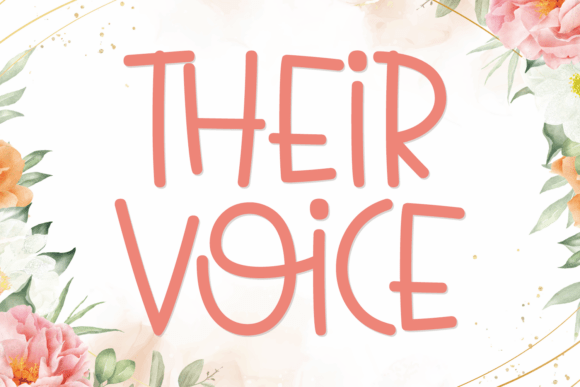
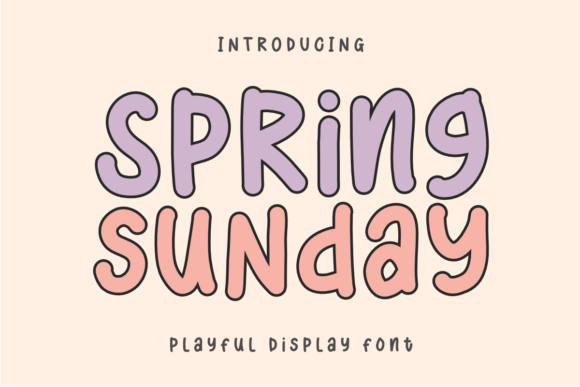
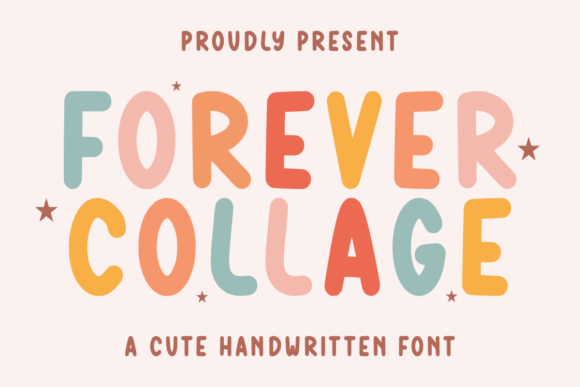
The rounded letterforms in this particular display font give every word a soft, welcoming quality. There's no harsh geometry, no sharp edges competing for attention. Instead, each character flows with a gentle, bouncy rhythm that mimics natural handwriting without descending into illegibility. The multi-color styling option adds another layer of visual interest, allowing designers to play with palettes that match their brand identity or seasonal campaigns.
What really sets it apart is its youthful spirit. This isn't a font trying to be edgy or minimalist. It leans fully into its playful DNA, making it a strong choice for projects that need to communicate joy, creativity, and approachability. Think birthday invitations, kids' apparel branding, or a craft blog's header. The font does the emotional heavy lifting before a reader even processes the words themselves.
Where Creative Fonts Like This One Truly Shine
Understanding where a bubbly handwritten typeface fits best helps you avoid mismatches that can undermine your design goals. Here's a practical breakdown of projects where this style genuinely adds value.
Branding and Logo Design work exceptionally well with this font when your target audience skews toward families, young adults, or creative communities. A children's clothing line, a handmade jewelry brand, or a community art studio could build an entire visual identity around the warmth this typeface radiates. Pair it with a clean sans serif font for body copy, and you have a brand system that feels cohesive without being monotonous.
Packaging Design benefits enormously from fonts that stand out on crowded shelves. If you're designing labels for a small-batch candle company, artisanal jam brand, or kids' snack line, the rounded, colorful characters catch the eye and communicate a handcrafted quality that sterile corporate fonts simply cannot replicate.
Social Media Graphics demand fonts that pop at small sizes and stop the scroll. Instagram stories, Pinterest pins, and TikTok overlays all thrive on bold, expressive typography. A font with built-in color versatility means you can create eye-catching quote graphics, sale announcements, or event promotions without spending extra time on custom lettering.
Print Materials like posters, flyers, and event invitations are natural homes for a joyful display font. Birthday parties, baby showers, school fundraisers, and community events all benefit from typography that feels celebratory and inclusive.
Web Design and Blogs can use this typeface strategically for headlines, section titles, and call-to-action buttons. It works particularly well for lifestyle blogs, parenting sites, recipe blogs, and creative portfolio pages where personality is part of the brand promise.
Merchandise and Digital Products like tote bags, mugs, sticker sheets, printable wall art, and digital planners gain instant character from a font that feels handmade. Customers associate that warmth with quality and care, which can justify premium pricing for small creators.
Practical Tips for Getting the Most Out of Playful Typography
Choosing a creative font is only half the battle. Using it well requires some strategic thinking about your overall design system.
Test your font pairings before committing. A bubbly handwritten display font works best when balanced with something more restrained. Try pairing it with a geometric sans serif like Montserrat or a classic serif like Lora for body text. The contrast creates visual hierarchy and prevents your design from feeling overwhelming. Avoid pairing two expressive handwritten fonts together, as they'll compete for attention and create visual noise.
Consider readability at every size. Display fonts are designed for headlines and short bursts of text, not paragraphs. Use your playful typeface for titles, subheadings, pull quotes, and accent text. Reserve longer passages for fonts specifically optimized for reading at small sizes. This approach keeps your design visually interesting without sacrificing accessibility.
Review what's included in the font package. A quality premium font often comes with multiple styles, alternate characters, ligatures, and extended language support. Understanding what's available lets you push the typeface further. Alternates can add variety when you're using the same font across multiple pieces, and special characters might offer unexpected creative possibilities.
Match the font's energy to your project's goals. This sounds obvious, but it's worth repeating. A joyful, rounded handwritten font is perfect for a children's birthday party invitation. It's less appropriate for a law firm's annual report. Context matters enormously in typography, and the best designers choose fonts that serve the message rather than just following trends.
Building Stronger Brand Recognition Through Typography
Consistency is the foundation of brand recognition. When your audience sees the same typeface across your website, social media, packaging, and marketing materials, they begin to associate that visual style with your business. It becomes a shortcut for trust and familiarity.
Using a distinctive creative font as part of your brand identity system makes that association even stronger. Customers might not remember your exact logo, but they'll remember the feeling your typography creates. That emotional memory drives repeat engagement, whether someone is scrolling past your Instagram post or spotting your product on a retail shelf.
For small businesses and independent creators, this kind of visual consistency often feels out of reach. Custom lettering is expensive, and generic fonts blend into the background. A well-designed commercial font bridges that gap, offering the personality of hand-crafted typography with the reliability and versatility of a professional typeface.
Licensing and Commercial Use Considerations
Before using any font in commercial projects, always verify the licensing terms. Most premium fonts offer different licenses depending on how you plan to use them. Desktop licenses typically cover printed materials and logo design. Web licenses allow you to embed the font on your site. App licenses cover mobile applications. Some licenses are based on the number of users or the size of your organization.
Reading the license agreement carefully protects you from legal issues down the road. If you're designing for a client, make sure the license covers their intended use as well. When in doubt, contact the font creator or distributor directly. Most are happy to clarify terms, and it's always better to ask upfront than to face complications later.
Investing in a properly licensed commercial font also signals professionalism to your clients and audience. It shows you take your craft seriously and respect the work of other creatives, which builds credibility in an industry where reputation matters deeply.