Ardifa: The Handwritten Font That Feels Like Your Brand's Voice
There’s a moment in every creative project where you realize the typeface you’ve chosen just isn’t speaking the right language. It might be technically sound, but it lacks that human spark—the warmth, the personality, the sense that a real person crafted it with intention. This is where a font like Ardifa enters the conversation. It’s not just another script font; it’s a tool designed to inject a fresh, modern, and naturally handwritten quality into your work, bridging the gap between digital precision and organic charm. For designers, entrepreneurs, and content creators, finding a typeface that feels both professional and approachable is like striking gold, and Ardifa positions itself as that versatile asset.
The Visual Appeal: More Than Just Pretty Letters
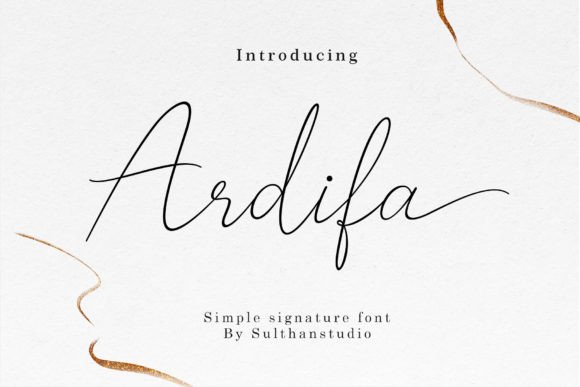
At first glance, Ardifa’s charm lies in its effortless mimicry of authentic calligraphy. Each letterform flows with a natural rhythm, avoiding the stiff, overly uniform look that plagues many digital script fonts. The characters connect gracefully, and the varying stroke weights create a subtle texture that adds depth. This isn’t a font that shouts; it converses. Its legibility is a key strength—a common pitfall of many handwritten fonts is sacrificing readability for style, but Ardifa maintains clarity even at smaller sizes, making it a practical choice for more than just large headlines.
This balance is crucial for real-world application. Think about a logo that needs to look as good on a business card as it does on a storefront banner. Or social media graphics where text must be instantly readable in a fast-scrolling feed. Ardifa’s design considers these scenarios, offering a typeface that retains its distinctive character without becoming a decorative obstacle. It’s this thoughtful design that separates a premium font from a novelty item.
From Brand Identity to Packaging: Where Ardifa Shines
The true test of any creative asset is its versatility. A font that only works in one narrow context has limited value. Ardifa, however, demonstrates a flexible personality suited to a wide array of projects. Its modern yet timeless aesthetic allows it to adapt to different brand voices and creative goals.
- Branding & Logo Design: For businesses aiming to project authenticity, warmth, or artisanal quality—think boutique bakeries, handmade skincare lines, or personal coaching services—Ardifa can form the core of a visual identity. It pairs beautifully with clean sans-serif fonts for a balanced, professional look.
- Packaging & Labels: On product packaging, a handwritten font like Ardifa can communicate care, craftsmanship, and a personal touch. It helps products stand out on a shelf by evoking an emotional connection before the customer even reads the product description.
- Social Media & Digital Content: In the realm of Instagram graphics, YouTube thumbnails, or website hero images, Ardifa adds an engaging, relatable element. It’s perfect for quotes, promotional offers, or call-to-action text that needs to feel genuine rather than corporate.
- Print & Editorial Design: For invitations, greeting cards, or magazine layouts, this typeface introduces elegance and a personal flair. It can elevate a simple poster or a wedding program into something memorable.
- Merchandise & Marketing Assets: From tote bags to mugs, or email headers to webinar slides, using a consistent, character-rich font like Ardifa helps reinforce brand recognition across every touchpoint.
Practical Tips for Integrating a Script Font into Your Workflow
Adopting a new font, especially a script, requires more than just a download. To use Ardifa effectively and avoid common design missteps, consider these practical steps:
- Define the Role: Is this font for headlines, accents, or body text? Ardifa’s readability makes it suitable for short paragraphs and callouts, but for long-form text, pairing it with a highly legible serif or sans-serif is usually best. Decide its primary function before you start designing.
- Master Font Pairing: The magic often happens in combination. Try pairing Ardifa with a geometric sans-serif for a modern contrast, or with a classic serif for a more traditional, elegant feel. Test different combinations to see which best supports your project’s tone. The goal is harmony, not competition.
- Check for Included Styles: A robust font family often includes alternates, ligatures, or multiple weights. Explore what Ardifa offers. Swapping alternate characters can prevent repetitive letter shapes and create a more custom, hand-lettered appearance in your final design.
- Always Test for Readability: View your designs at the actual size they’ll be used. A font that looks stunning in a design program might become illegible when scaled down for a mobile screen or printed on a textured surface. Get feedback from others—fresh eyes catch issues you might overlook.
- Understand the License: This is a non-negotiable step for any commercial project. Verify the licensing terms for Ardifa. Ensure it covers your intended use, whether for client work, merchandise sales, or digital products. Using a font outside its license can lead to legal complications down the road.
Choosing a typeface is a strategic decision that impacts how your audience perceives your message. It’s about finding a voice that aligns with your brand’s personality and the specific context of the project. A font like Ardifa offers a valuable solution for those seeking to blend professionalism with a human touch. By thoughtfully integrating it into your design toolkit and applying it with purpose, you can create visuals that don’t just look good—they feel right, fostering stronger connections with your audience and bringing a cohesive, recognizable character to everything you create.