Sweet Donut: A Typeface That Brings Joy to Creative Projects
There’s something undeniably delightful about a design that feels playful yet polished—something that catches the eye without trying too hard. Sweet Donut is a font that embodies that exact energy. It’s a modern display typeface with a whimsical personality, designed to inject fun and character into everything from logos to social media posts. If you’ve ever struggled to find a font that feels both contemporary and full of charm, this might be the creative tool you’ve been looking for.
A Font With Personality and Purpose
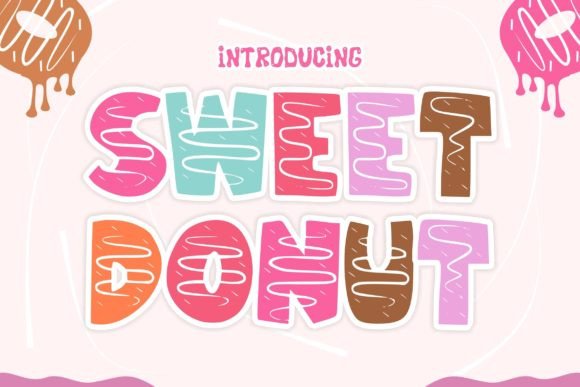
Sweet Donut isn’t just another decorative font. It’s crafted with a clear intention: to make designs feel approachable, lively, and memorable. The letterforms have a soft, rounded quality that feels friendly and inviting—think of the visual equivalent of a warm smile. At the same time, its modern structure keeps it from looking childish or overly casual. This balance makes it surprisingly versatile. Whether you’re working on a brand identity for a bakery, creating sticker sheets for an online shop, or designing a poster for a community event, this font brings a consistent sense of joy without sacrificing clarity.
What makes it stand out among other creative fonts is its ability to convey mood instantly. Typography experts often talk about how fonts carry emotional cues, and Sweet Donut leans into that idea with confidence. It doesn’t just display words—it communicates a feeling. That’s incredibly valuable when you’re trying to connect with an audience quickly, especially in crowded visual spaces like social media feeds or packaging shelves.
Where Sweet Donut Truly Shines
Let’s talk practical applications. One of the biggest strengths of this typeface is how well it adapts to different creative contexts. Here are a few areas where it really comes into its own:
- Branding and Logo Design: For businesses that want to appear friendly, modern, and approachable—think cafés, boutique shops, children’s brands, or lifestyle blogs—Sweet Donut offers a distinctive voice. It works beautifully as a primary logo font or as a supporting display type in brand guidelines.
- Packaging Design: Imagine a snack brand or a cosmetics line with packaging that uses Sweet Donut for product names or taglines. It immediately adds a layer of personality that can make products feel more relatable and shelf-stopping.
- Social Media Graphics: In a world where scroll-stopping content is everything, this font helps posts stand out. It’s great for quotes, announcements, sale graphics, or Instagram stories where you want a quick emotional connection.
- Print Materials and Merchandise: From event posters and flyers to t-shirts and tote bags, Sweet Donut adds a playful yet professional touch. It’s especially effective for limited-edition merchandise or seasonal campaigns.
- Editorial and Digital Products: If you design digital planners, e-books, or online course materials, using a font like this for headings or chapter titles can make the reading experience more enjoyable and visually engaging.
The key here is intentionality. Sweet Donut isn’t meant for body text in a long-form report—it’s a display font built for impact. Used strategically, it can elevate the overall aesthetic of a project and help communicate brand values without a single extra word of copy.
Pairing and Practicality: Using Sweet Donut Effectively
Even the most beautiful font can fall flat if it’s used incorrectly. Here’s some practical advice for getting the most out of Sweet Donut in your designs:
Think about pairing. Because Sweet Donut is expressive, it often works best when paired with a simpler, more neutral typeface for body text. Consider combining it with a clean sans serif font for paragraphs or supporting copy. This creates a visual hierarchy that guides the reader’s eye and keeps the design from feeling overwhelming.
Consider readability in context. While Sweet Donut is designed to be legible at display sizes, always test it in the specific environment where it will be used. A font that looks great on a computer screen might need size adjustments for print. Always do a test print or preview at actual size before finalizing a design.
Review the full font family. Many premium fonts come with multiple styles—regular, bold, italic, or even alternate characters. Take the time to explore what’s included with Sweet Donut. Sometimes a slight variation in weight or style can make a big difference in achieving the exact look you want.
Match the font to your project’s goals. Ask yourself: What emotion should this design evoke? Who is the audience? If your project requires a serious, corporate tone, Sweet Donut might not be the right fit. But if you’re aiming for warmth, creativity, and approachability, it’s worth serious consideration.
Beyond Aesthetics: Building Brand Recognition
Typography plays a huge role in how people perceive and remember a brand. Consistent use of a distinctive font like Sweet Donut across various touchpoints—website headers, social media templates, business cards, packaging—can help build strong visual recognition. Over time, your audience will start to associate that playful, modern lettering with your brand’s personality. That kind of recognition is gold in a competitive market.
It’s also worth noting that good typography supports professionalism. Even if a font is fun, it should still feel intentional and high-quality. Sweet Donut strikes that balance well, which is why it’s suitable not just for hobby projects but also for commercial use. Whether you’re a solopreneur designing your own marketing materials or a agency crafting a client’s brand identity, having reliable design assets like this font in your toolkit can save time and elevate output.
A Thoughtful Addition to Your Design Toolkit
Choosing the right typeface is often about finding a tool that aligns with your creative vision. Sweet Donut isn’t trying to be everything—it’s a specialized font with a clear personality. That specificity is its strength. It doesn’t replace your go-to sans serif or serif fonts; it complements them. It’s the font you reach for when you want to add a spark of joy, a touch of whimsy, or a modern edge to a project.
If you’re working on a food brand, a children’s product, a lifestyle blog, or any creative endeavor that benefits from a friendly and contemporary aesthetic, it’s worth exploring. Test it out in a mock-up, see how it interacts with your color palette and imagery, and judge for yourself whether it fits the story you’re trying to tell.
In the end, the best fonts are the ones that feel invisible in their usefulness—they support the message without distracting from it. Sweet Donut does exactly that, with a smile.