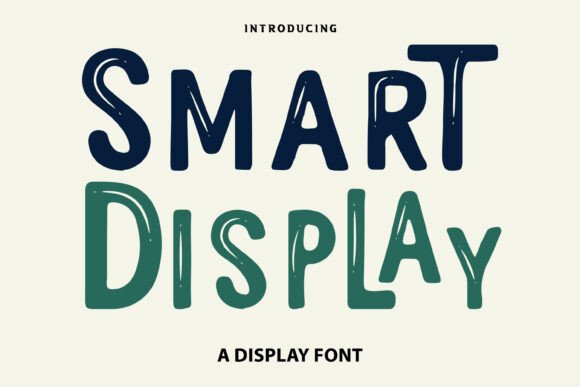
Smart Display: A Font That Feels Like a Celebration
There’s a particular kind of energy that jumps off a page or screen when a design is working. It’s not just about color or layout; it’s often in the typography. Some fonts whisper, some shout, and then there are those rare typefaces that sing. If your creative projects have felt a bit muted lately, and you’re searching for a way to inject genuine personality and joy, it might be time to explore a font designed to do exactly that. Think of it as a tool for visual storytelling, one that carries its own vibrant narrative before a single word is read.
More Than Just Letters: The Anatomy of a Joyful Typeface
At its core, a display font like Smart Display is built for impact. It’s not the workhorse body text you’d use for a lengthy report. Instead, it’s the headline act, the first impression, the element that sets the emotional tone. What makes this particular style compelling is its intentional blend of whimsy and structure. The letterforms likely feature subtle quirks—maybe a playful bounce in the baseline, unexpected swashes, or a clever balance between thick and thin strokes that feels both modern and approachable. This isn't sterile, corporate typography; it’s crafted to evoke a smile.
The visual appeal lies in its ability to communicate mood instantly. A font with this character can make a brand feel more human and relatable. For a small business owner, that’s gold. It bridges the gap between a professional product and a personal touch, suggesting creativity, warmth, and confidence. It’s the typographic equivalent of a warm, genuine smile in a profile picture.
Putting It to Work: Real-World Applications for Impact
So, where does a creative font like this actually shine? The applications are surprisingly broad, limited mainly by the need for its specific energy. Let’s move beyond theory and look at practical use cases.
- Branding & Logo Design: This is prime territory. A logo set in a distinctive, joyful typeface can become the cornerstone of a brand identity for a boutique, a creative studio, a children’s brand, or a lifestyle blog. It tells customers, “We’re approachable, we’re creative, and we care about the details.”
- Packaging Design: On a shelf crowded with competitors, packaging needs to grab attention in milliseconds. Using a standout font for the product name or tagline can make a box or label pop. It’s perfect for artisanal goods, beauty products, gourmet snacks, or any item where the brand story includes craftsmanship and joy.
- Social Media & Digital Marketing: In a fast-scrolling feed, a graphic needs to stop the thumb. Bold, characterful typography for Instagram posts, Facebook ads, or Pinterest pins can drastically improve engagement. It makes your content recognizable and shareable, helping to build a cohesive visual presence across platforms.
- Print & Invitations: Think wedding invitations, event posters, or boutique shop flyers. A font with personality adds a layer of elegance and festivity that generic fonts can’t match. It sets the mood for an event before it even begins, whether it’s a romantic celebration or a lively market.
- Web Design & Blogs: Used strategically for H1 headers, pull quotes, or featured section titles on a website, a display font can guide the visitor’s eye and break up text-heavy pages. It adds visual interest and reinforces the site’s overall tone, making the browsing experience more engaging.
- Merchandise & Editorial Layouts: From t-shirts to tote bags, and magazine covers to book chapter openers, a versatile yet distinctive typeface provides a signature look. It can unify a product line or give a publication a fresh, contemporary feel.
The Strategic Side: Why Your Font Choice Matters for Business
Choosing a typeface isn’t just an artistic decision; it’s a strategic one. The right font contributes directly to key business and communication goals.
Building Visual Consistency: When you select a primary display font for your brand and use it consistently across all touchpoints—from your website to your invoices to your social media—you create a powerful sense of cohesion. This consistency builds professionalism and trust. Customers begin to recognize your brand at a glance, which is the foundation of strong brand recognition.
Enhancing Readability & Presentation: While a display font is for headlines, its design still affects readability. A well-designed one, even if decorative, maintains clarity at various sizes. This ensures your key messages are not just seen but understood, contributing to a professional presentation that respects your audience’s attention.
Driving Audience Engagement: Fonts have psychological weight. A playful, energetic typeface can make a call-to-action feel more inviting or make a blog post title seem more compelling. It’s a subtle cue that can increase click-through rates, time on page, and overall audience engagement because the visual language is aligned with the content’s intent.
Making It Yours: Practical Tips for Implementation
Adopting a new font into your workflow requires a bit of forethought. Here’s how to do it effectively.
- Review the Font Family: Does it come with multiple weights or styles? A family with Regular, Bold, and Italic options gives you flexibility for creating hierarchy and emphasis without needing to find a second font immediately. Check what’s included in your license.
- Test Font Pairings: A vibrant display font often works best when paired with a simpler, more neutral companion. Try pairing it with a clean sans serif font for body text or a classic serif font for a touch of traditional elegance. The contrast allows the display font to shine without overwhelming the design. Experiment with combinations in a simple document before committing.
- Match the Mood to the Goal: Is your project aiming for whimsical, sophisticated, retro, or ultra-modern? Ensure the font’s personality aligns with your project’s core message. A font perfect for a cupcake shop might not be right for a law firm’s rebrand.
- Consider the Context: Always test your typography in its final environment. How does it look on a mobile screen versus a printed poster? At what size does it start to lose its impact or become hard to read? These practical checks are crucial.
- Understand Commercial Licensing: If you’re using the font for client work, merchandise for sale, or widespread marketing, you must ensure you have the correct commercial font license. This is a non-negotiable part of professional practice and protects both you and the font creator.
Ultimately, the tools you choose shape the work you create. A font like Smart Display is more than a collection of glyphs; it’s a design asset with a distinct point of view. It’s for the designer who wants to make work that feels alive, the entrepreneur building a brand with soul, and the creator aiming to connect on a human level. By understanding its strengths and applying it thoughtfully, you can transform standard projects into memorable experiences that resonate with your audience and truly stand out.