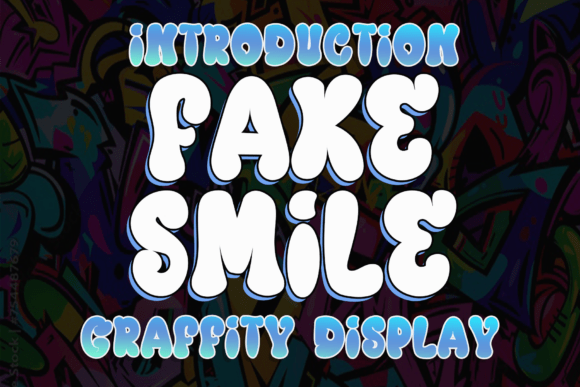
Fake Smile: The Font That Smirks at Boring Design
There’s a particular kind of confidence that comes with a wink. It’s knowing, slightly mischievous, and utterly engaging. That’s the energy radiating from Fake Smile, a display typeface that doesn’t just sit on a page—it leans in, grins, and demands you notice it. For designers and creators tired of playing it safe, this font is a toolkit for injecting instant personality and a sense of rebellious fun into any visual project.
Beyond the Grin: The Anatomy of a Playful Typeface
At first glance, Fake Smile is pure, inflated energy. Its letterforms are rounded to the point of being cartoonish, with exaggerated curves and a bubbly structure that feels like it was inflated with a bicycle pump. This isn't a font that whispers; it shouts with a joyful, urban attitude. The visual character is a blend of graffiti’s bold expression and a satirical, pop-culture wink. It’s a premium font designed for maximum impact at large sizes, making it a natural fit for headlines, logos, and any situation where the text needs to be the main visual event. Think of it as the typographic equivalent of a vibrant, hand-drawn mural on a city wall—it’s impossible to ignore.
Where a Wink Makes All the Difference: Practical Applications
The true value of a display font like this is measured in its versatility for creative projects. Its bold, condensed nature makes it a powerhouse for:
- Music & Event Posters: The font’s inherent energy and graffiti-style flair make it perfect for gig posters, festival branding, and nightlife promotions. It sets a tone of excitement and youthful rebellion before anyone even hears a note.
- Edgy Branding & Merchandise: For streetwear labels, skate brands, or any business with a bold, counter-cultural identity, Fake Smile becomes a core part of the brand identity. Use it on t-shirt graphics, hats, and sticker packs to build instant recognition.
- Social Media & Digital Content: In a crowded feed, a static, boring font gets scrolled past. This typeface turns Instagram quotes, YouTube thumbnails, and TikTok overlays into thumb-stopping visual statements. Its playful irony works exceptionally well for memes, humorous content, and pop-culture commentary.
- Packaging & Product Design: Imagine this font on a craft soda can, a snack bag aimed at Gen Z, or the label for a limited-edition product. It communicates fun, flavor, and a brand that doesn’t take itself too seriously, which can be a powerful differentiator on a shelf.
- Editorial & Layout Design: Magazine covers, feature article headers, and blog post titles can benefit from this injection of attitude. It’s a fantastic tool for editorial design that wants to break from traditional, conservative aesthetics.
Strategic Play: Using a Bold Font with Purpose
Deploying a character-rich font like Fake Smile is a strategic decision, not just an aesthetic one. It can directly improve key aspects of your project’s effectiveness:
- Brand Recognition & Consistency: A unique, ownable typeface is a branding asset. When used consistently, it becomes a visual shorthand for your brand’s personality. Audiences will start to associate that playful, bold style with your message.
- Audience Engagement: A font with personality creates an emotional response. The whimsical, slightly rebellious vibe of this typeface can make a brand feel more approachable, relatable, and memorable, fostering a stronger connection with a target audience that values authenticity and fun.
- Visual Hierarchy & Impact: In design, you need a clear hierarchy. A display font like this is your spotlight. Pair it with a clean, readable sans serif font or even a classic serif font for body text to create a dynamic and professional presentation that guides the viewer’s eye exactly where you want it.
Pairing and Practicality: Making It Work for Your Project
While Fake Smile is a star player, it rarely works alone. The art of font pairing is where you balance its exuberance. For readability and professionalism, always combine it with a simpler, more neutral typeface. A geometric sans serif can complement its modern feel, while a traditional serif can create a fascinating contrast between playful and serious. The key is to let Fake Smile own the headlines and pull-quotes, while your secondary font handles the heavy lifting of body copy.
Before finalizing any design, rigorously test your font choices. Check the legibility of your chosen pairing at the sizes it will be used, especially for smaller text on screens. Review all the included font styles and alternates that often come with a premium font package—sometimes a different weight or stylistic set can offer the perfect nuance. And crucially, for any commercial project, always verify the commercial font licensing. Ensure the license covers your intended use, whether it’s for a client’s logo, printed merchandise, or a digital product for sale.
Ultimately, choosing a typeface like Fake Smile is about aligning your visual communication with your project’s soul. It’s not the right choice for a law firm’s annual report, but for a music festival, a streetwear startup, a podcast about internet culture, or a blogger with a sarcastic wit, it’s not just a font—it’s the voice. It turns words into visual statements, adding that essential spark of color, personality, and a confident, knowing smirk to everything it touches.