Rainbow Lavender: A Font with Heart and Flow
There’s a particular feeling you get when you find a design element that just clicks. It’s that moment when a color, an image, or a typeface doesn’t just fill a space, but tells a story. For those of us who pour creativity into branding, social posts, or client work, the hunt for that perfect piece is constant. We’re often sifting through endless libraries of premium fonts, looking for something with character, something that feels human. This is where a handwritten font like Rainbow Lavender enters the conversation—not as just another option, but as a potential solution for adding genuine warmth and personality.
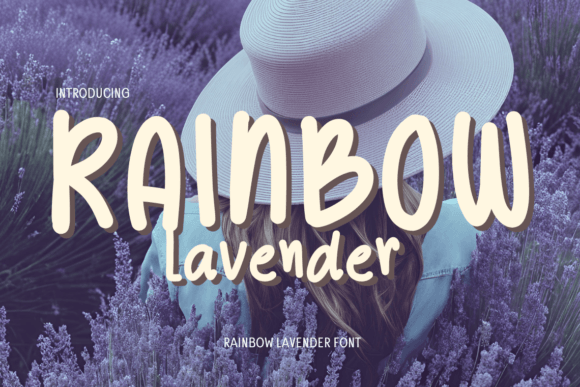
At its core, Rainbow Lavender is a script font that balances fluidity with legibility. The letterforms have a natural, flowing rhythm, reminiscent of someone taking their time with a pen or brush. This isn't a stiff, perfect calligraphy; it has an organic, slightly playful imperfection that makes it feel approachable. The strokes vary in thickness, creating a dynamic visual texture that flat, geometric typefaces simply can't replicate. It’s this quality that makes it a compelling creative font for projects aiming to connect on a more personal level.
Where This Handwritten Style Truly Shines
Understanding a font's personality is one thing; knowing where to apply it is another. A display font like Rainbow Lavender is designed for impact in shorter bursts of text. Think of it as the accent wall in a room—it draws the eye and sets the tone, but you wouldn't want to cover every surface with it.
For Branding and Logo Design: If your brand identity is built on values like craftsmanship, creativity, warmth, or approachability, this script font can become a cornerstone. It works beautifully for a bakery logo, a boutique studio, a wedding planner, or a creative consultant. Paired with a clean sans serif font for body text, it creates a hierarchy that is both engaging and professional. The key is ensuring the font's character aligns with your brand's voice—playful yet refined, never sloppy.
In Packaging and Product Design: Imagine a label for artisanal soap, a bag for specialty coffee, or packaging for handmade jewelry. Rainbow Lavender can instantly communicate the product's handcrafted quality. It adds a layer of perceived care and value, helping your product stand out on a crowded shelf or in an online store. Just be mindful of scale; ensure the text remains legible at the size it will be printed.
Across Digital Marketing and Social Media: In the fast-scrolling world of Instagram or Pinterest, a visually distinct social media graphic is essential. Use this font for quote graphics, sale announcements, or header text on promotional images. Its flowing style can help break up the monotony of standard post layouts. For web design, consider it for hero section headlines, call-to-action buttons, or specific accent text. Pairing it with a serif font for blog post titles can create an elegant, editorial feel for a website.
Making It Work: Practical Font Pairing and Use
Introducing a handwritten font into your toolkit requires some strategy. Its power lies in contrast and selective use.
- The Golden Rule of Pairing: Never pair two script or highly decorative fonts together. It creates visual chaos. Rainbow Lavender needs a stable partner. A simple, geometric sans serif font (like Montserrat or Open Sans) provides a clean, modern counterpoint. A classic, sturdy serif font (like Lora or Merriweather) can offer a more traditional, literary contrast. The goal is harmony, not competition.
- Readability is Non-Negotiable: This is a display font, not a body copy font. Use it for headlines, subheadings, pull quotes, or short phrases—never for long paragraphs. Test it at the intended size. A beautiful swirl that looks great on a poster might blur into illegibility on a mobile screen if used for a website's main navigation.
- Explore the Full Family: Quality commercial fonts often come with multiple styles. Check if Rainbow Lavender includes alternate characters, ligatures (special combined letterforms), or different weights. These extras can help you customize the look and avoid repetitive letter shapes, making your designs feel even more unique.
- Licensing for Your Needs: If you're using this for client work, merchandise, or digital products you sell, you must ensure you have the correct commercial license. This is a crucial step in professional practice that protects both you and the font creator.
Aligning Typography with Your Project's Goal
Ultimately, choosing a font like Rainbow Lavender is a decision about mood and message. Before you download, ask yourself: What is the core feeling I want to evoke? Who is my audience?
A project targeting a youthful, creative audience might lean into its whimsical side for event invitations or merchandise. A brand serving a more sophisticated market could use it sparingly and pair it with high-contrast elements to maintain elegance. For editorial design in a magazine or digital product like an e-book cover, it can set a compelling visual theme that draws readers in.
The best design assets are those that solve a specific problem. Rainbow Lavender solves the problem of cold, impersonal digital text. It injects a human touch into logos, packaging design, marketing assets, and web design. It’s not about following a trend, but about choosing a tool that authentically communicates your message. When used thoughtfully, it doesn’t just decorate; it communicates, connects, and helps build a recognizable brand identity that resonates.