Meltipop Retro: Capturing That Bubbly 70s and 80s Vibe
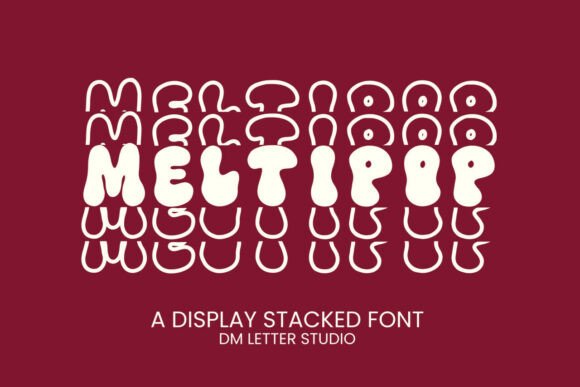
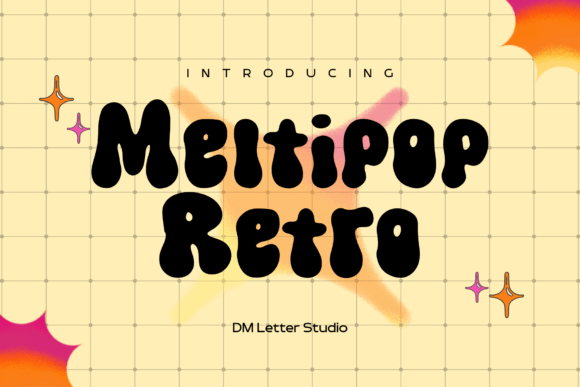
There is a specific feeling associated with the graphics of the late 70s and early 80s—it was bold, unapologetically fun, and incredibly tactile. If you are working on a project that needs to channel that kind of energy, you know how hard it is to find a typeface that feels authentic without looking like a cheap imitation. You want something that screams "good times" and "sweet vibes" but still functions as a usable tool for modern branding. This is exactly where Meltipop Retro enters the conversation. It takes that pop spirit and distills it into soft, bubbly letters that are surprisingly versatile.
At its core, Meltipop Retro is a display font, but calling it just that feels like an understatement. The design choices here are intentional: the strokes are round and confident, avoiding the thin, fragile lines that plague many retro styles. The counters—the negative space inside the letters—remain open, which is a massive practical benefit. Often, "fun" fonts sacrifice legibility for style, becoming a nightmare to read on mobile devices or smaller print labels. Meltipop Retro manages to keep the shapes playful yet tidy. This balance means you can use it for headlines that pop on everything from a quick Instagram story to a physical merchandise tag without losing the message.
Why This Typeface Works for Modern Branding
If you are a small business owner or a creative entrepreneur, typography is often the silent workhorse of your visual identity. It sets the tone before a customer even reads the word. When you choose a premium font like this, you are looking for personality that aligns with your product. Meltipop Retro loves layered color, subtle grain, and puffy effects. It invites you to play with textures. Imagine a kids' brand logo or a summer campaign poster; the font acts as a foundation that supports gel highlights or soft drop shadows, instantly adding depth to your designs.
Consider the current market trends. There is a massive resurgence of Y2K and retro aesthetics in social media graphics and packaging design. However, jumping on a trend requires a tool that feels current, not just a relic. This typeface bridges the gap. It fits perfectly into a modern design workflow, allowing you to assemble covers, banners, and reels in minutes. Because the rhythm is rounded and consistent, it maintains a professional presentation even when used in loud, colorful compositions. It helps improve brand recognition because the letterforms are distinct; people remember the shape of the words as much as the words themselves.
Practical Applications: From Packaging to Digital Products
The versatility of a font is tested by how well it adapts to different mediums. Meltipop Retro shines when applied to physical merchandise. Think about the specific challenges of print-on-demand (POD) and storefronts. You need a font that scales well. On a small sticker or a hang tag, tight kerning can cause letters to merge into a blob. This font is tuned for headlines, meaning the spacing is optimized for impact. It allows you to launch full bundles for printables or POD items without heavy tweaking. The readability on small thumbnails is a significant advantage for e-commerce listings where a product image has to grab attention in a split second.
For content creators and marketers, the font offers a solution to the "blank canvas" problem. When you are creating social media graphics or blog headers, you often need a quick win. Meltipop Retro allows you to set punchy phrases—think "New Arrival," "Sale," or "Summer Collection"—and they immediately look styled. You don't necessarily need to be a Photoshop wizard to make it look good. The inherent style of the typeface does a lot of the heavy lifting. It pairs exceptionally well with clean sans-serif fonts for body text, creating a hierarchy that is easy for the eye to navigate. This pairing strategy is essential for web design and editorial layouts, where you need the headline to scream "look at me" while the body text whispers "read me."
Design Strategy and Font Pairing Tips
Choosing the right font style is only half the battle; integrating it into your broader design system is the other half. When using a creative font with this much character, restraint is often key in other areas. If your title is in Meltipop Retro, your subheadings and body copy should probably be a neutral sans-serif or a clean serif font. This contrast prevents the design from becoming chaotic. You want the bubbly letters to stand out against a structured background.
Furthermore, think about the emotional resonance. This typeface evokes nostalgia, joy, and approachability. It is perfect for invitations, candy visuals, upbeat social posts, and editorial design that targets a lifestyle audience. If you are designing a magazine spread for a music festival or a layout for a bakery menu, this font sets the mood instantly. It is also worth exploring the included font styles. Does the family come with bold or outline versions? Using an outline version of Meltipop Retro for the background and a filled version for the foreground can create a sophisticated, layered effect that looks like it took hours to design, even if it was a quick mockup.
Readability and Commercial Licensing
One of the most common pitfalls in design is prioritizing aesthetics over function. While Meltipop Retro is designed for readability, context matters. Avoid using it for long paragraphs of body copy; that is not its job. It is a display typeface meant for impact. Use it for titles, headers, and call-outs. Always test your color contrasts as well. Because the letters are soft and rounded, they look fantastic with high-contrast color palettes or pastel themes.
Finally, a practical note on usage: always review the commercial licensing. If you are using this for client work, merchandise, or digital products for sale, you need to ensure you have the correct license. A standard personal license usually covers your own projects, but selling the font file itself or using it on physical goods for sale typically requires an extended or commercial license. Investing in a high-quality, licensed asset protects you legally and ensures the original designer is supported, which keeps the ecosystem of creative design assets healthy.
In the end, typography is about communication. Whether you are crafting a brand identity for a new startup or designing a fun party invite, the typeface you choose speaks volumes. Meltipop Retro offers a specific, joyful voice that can cut through the noise of modern marketing. It proves that a font can be both a stylistic throwback and a functional, modern tool for visual communication.