Make a Bold Statement: Using the Chinese Display Font in Your Work
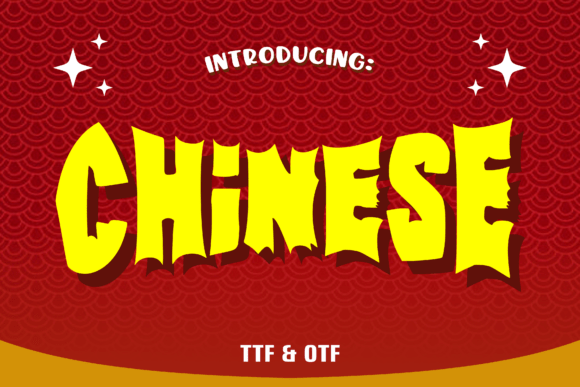
Walk into any trendy coffee shop, browse a modern clothing brand’s Instagram, or glance at a vibrant festival poster, and you’ll notice a clear shift in visual language. Designers are moving away from the safe, minimalist sans-serifs that dominated the last decade and embracing typefaces with personality, grit, and flair. If you have been searching for a typeface that commands attention without shouting, the Chinese display font is a standout choice currently trending across the creative industry. With its sharp edges, bold weight, and undeniable presence, this font is engineered to be the focal point of any layout. It isn’t just a set of letters; it is a design asset that promises to inject a necessary pop of color and aesthetic energy into your projects, whether you are crafting a comic book, designing children's literature, or creating high-impact marketing materials.
A Typeface with Attitude and Edge
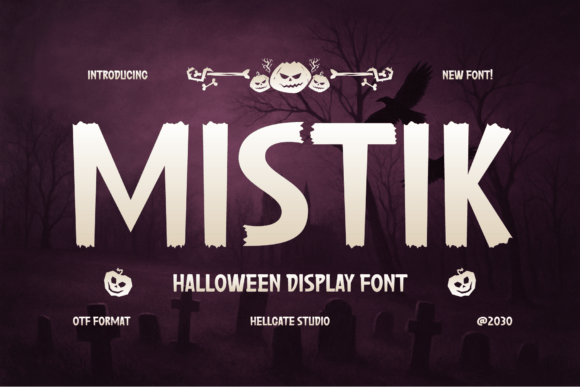
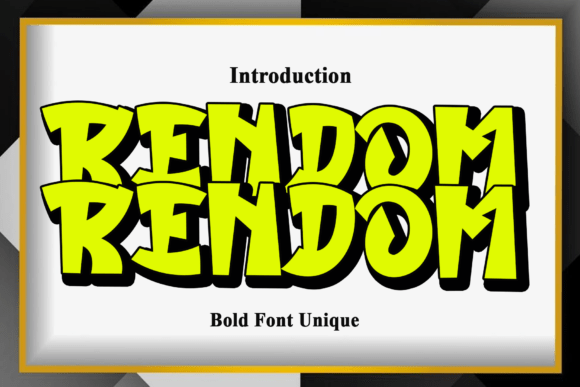
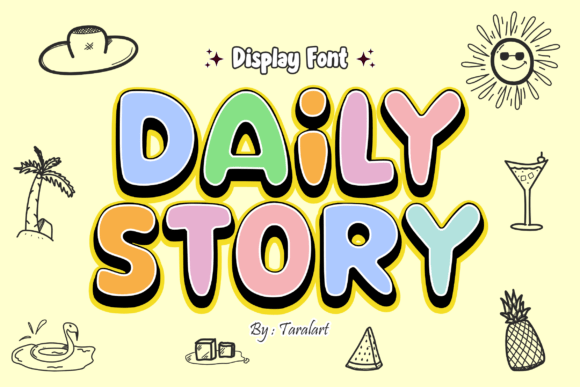
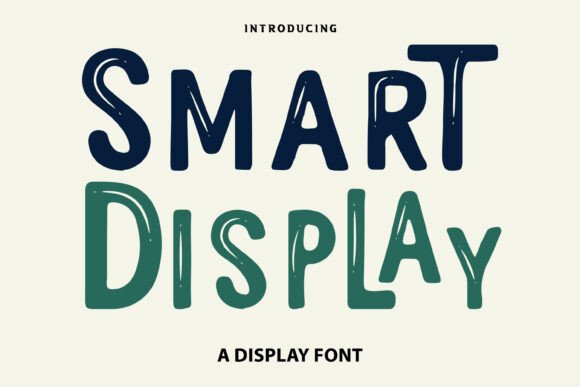
What makes a font like Chinese so visually appealing is its refusal to be ignored. Unlike standard body text fonts designed for long-form reading, this is a display font built specifically for headlines, logos, and headers. Its visual characteristics rely on high contrast and sharp, angular lines that give the text a dynamic, almost kinetic energy. It strikes a unique balance between being edgy and readable. While some decorative fonts sacrifice legibility for style, Chinese maintains a clear structure that ensures your message gets across instantly.
This typeface fits perfectly into the current wave of modern typography that favors expressive lettering. It works exceptionally well for brands that want to appear confident, youthful, and creative. For a designer working on a poster or a sticker, the heavy weight of the font ensures it prints beautifully, standing out against complex backgrounds. For digital creators, the sharpness of the letters renders crisply on high-resolution screens, making it a versatile tool for both print and pixels.
Practical Applications: From Packaging to Digital Screens
The true value of a premium font lies in its versatility. While Chinese has a distinct personality, it can be adapted to a surprisingly wide range of creative endeavors. It is not limited to one niche; rather, it serves as a bridge between playful illustration and professional branding.
Consider the world of packaging design. If you are launching a line of artisanal hot sauces, energy drinks, or streetwear apparel, the shelf presence is everything. The bold, sharp nature of this typeface mimics the look of high-end serif fonts but with a contemporary, edgy twist. It suggests that the product inside is bold and worth trying. Similarly, in the realm of editorial design, using Chinese for chapter titles or pull quotes can break up the monotony of standard body copy, guiding the reader’s eye to the most important parts of the page.
For digital applications, the font shines equally bright. Social media graphics need to stop the scroll. A bold headline set in Chinese can be the difference between a user swiping past or clicking through to your website. It is also an excellent choice for web design headers, specifically for landing pages that need to make an immediate emotional impact. If you are a content creator working on thumbnails for video platforms or graphics for blog headers, this font provides that "professional" look that builds trust with your audience before they even read the content.
Building a Brand Identity with Typography
Typography is the voice of your brand. Just as you choose specific colors to evoke emotions, your font choice dictates how your brand "sounds." Using a typeface like Chinese helps in establishing a strong brand identity that feels cohesive and intentional.
For entrepreneurs and small business owners, consistency is key. When you use the same creative font across your logo design, email headers, invoices, and social media posts, you create a visual thread that ties everything together. This improves brand recognition; customers will start to associate the sharp, bold style of the font with your specific products or services.
However, professional presentation requires more than just picking a font and typing. You need to think about font pairing. Because Chinese is a heavy, attention-grabbing display typeface, it pairs best with simpler companions. Try matching it with a clean sans serif font or a light script font for body text. This contrast allows the headline to pop while ensuring the supporting text remains easy to read. Avoid pairing it with other ornate or handwritten fonts, as this can create visual clutter and reduce readability.
Tips for Testing and Implementation
Before you finalize a design, it is crucial to test how the font performs in its intended environment. Readability considerations should always be at the forefront of your mind. While Chinese is excellent for short bursts of text—like a headline, a logo, or a call-to-action button—it is generally not suitable for long paragraphs. Using a display font for body text can strain the reader's eyes and dilute the impact of the design.
When testing your font pairings, look at the hierarchy of your layout. Does the eye naturally flow from the headline to the sub-header, and then to the body text? If the Chinese font overpowers everything else, you may need to adjust the size or the tracking (letter spacing). Sometimes, adding a little extra space between the letters of a bold font can make it look even more luxurious and high-end.
Furthermore, always review the included font styles and glyphs. High-quality fonts often come with alternate characters, ligatures, or stylistic sets that can add a unique flair to specific words. Taking the time to explore these features can elevate a standard design into something truly custom.
Licensing and Commercial Use
One of the most practical aspects of working with professional typefaces is understanding the legal framework. If you are using this font for personal projects—like a birthday invitation or a personal scrapbook—standard personal licenses usually suffice. However, if you are a business owner, agency, or freelancer creating work for clients, you must ensure you have the correct commercial font license.
Commercial licensing typically covers uses where the font generates revenue, such as in logo design, merchandise (t-shirts, mugs), or paid digital products. Before purchasing, check if the license covers the specific mediums you plan to use. For example, some licenses cover print and web but have specific restrictions regarding app embedding or server usage. Respecting these licensing terms is part of being a professional designer and protects both you and your clients from potential legal issues down the road.
Final Thoughts on Creative Freedom
The digital landscape is crowded, and standing out requires tools that offer both quality and distinctiveness. The Chinese display font is more than just a passing trend; it is a robust tool for visual communication. Whether you are designing a gritty poster for a music festival, a playful cover for a children's book, or a sleek logo for a modern startup, this typeface offers the flexibility and flair needed to get the job done.
By focusing on strong font pairing, respecting readability, and ensuring proper licensing, you can leverage this font to improve your visual consistency and audience engagement. It invites you to be bold, take risks with your layouts, and ultimately, create designs that resonate with your audience on a deeper level. Don't be afraid to experiment—sometimes the best designs come from breaking the rules with the right tools in hand.