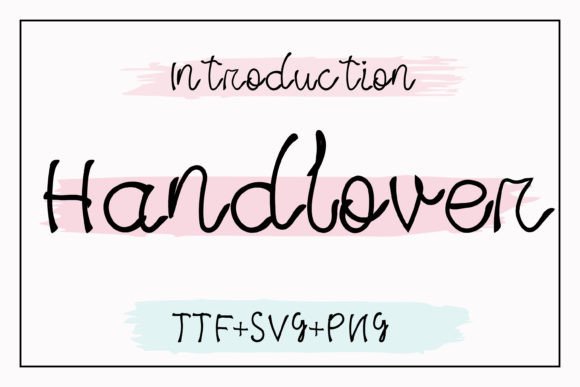
Handlover: Adding a Vibrant, Whimsical Touch to Your Designs
There’s a moment in every creative project when you realize a design needs more than just structure—it needs soul. You’ve nailed the layout, chosen a cohesive color palette, and selected imagery that tells your story. Yet something feels missing. That’s often where typography steps in, not just as a vehicle for words but as a visual voice. Enter Handlover, a color font that doesn’t just speak—it sings. With its joyful, hand-painted aesthetic, this typeface brings an instant burst of personality to any project, transforming the ordinary into something memorable and emotionally resonant.
Understanding Handlover’s Unique Appeal
At its core, Handlover is a display typeface that blends the organic warmth of hand-lettering with the versatility of modern digital fonts. Unlike traditional single-color fonts, it’s a color font, meaning each letter carries built-in hues, gradients, and textural details that mimic the look of painted or illustrated strokes. The result is a typeface that feels alive—full of movement, charm, and a sense of handcrafted authenticity.
What makes it visually compelling is its balance. The letterforms are playful without being childish, detailed without being cluttered. Each character has subtle variations in stroke width and color saturation, giving it a natural, human touch. This isn’t a sterile, geometric sans-serif; it’s a typeface with personality. Whether you use it in a bold headline or a delicate subheading, it draws the eye and invites engagement.
Where Handlover Truly Shines: Practical Applications
One of the greatest strengths of a creative font like Handlover is its versatility across different mediums. It’s not just for one type of project—it’s a tool that can adapt to various creative needs while maintaining its distinctive character.
For branding and logo design, Handlover can become the cornerstone of a visual identity. Imagine a boutique bakery using it for its logo—the textured, colorful letters immediately convey a sense of artisanal quality and joy. It’s equally effective for lifestyle brands, creative studios, or any business that wants to appear approachable and full of personality.
In packaging design, this typeface helps products stand out on crowded shelves. Think of a line of organic teas, craft supplies, or specialty foods. Handlover adds a layer of visual storytelling that communicates care, creativity, and quality before the customer even reads the product description.
For social media graphics and digital content, the font’s built-in color and texture make posts more eye-catching in fast-scrolling feeds. It’s perfect for quote graphics, promotional announcements, or Instagram stories where you need to grab attention quickly. Because it’s a display font, it works best for short, impactful text rather than long paragraphs.
Print applications are where Handlover really gets to shine. Wedding invitations, event posters, greeting cards, and editorial layouts benefit immensely from its whimsical elegance. It adds a celebratory, personal touch that standard fonts often lack. For merchandise like tote bags, mugs, or t-shirts, it offers a ready-made artistic flair that feels custom-designed.
Making Handlover Work for Your Brand
While Handlover is undeniably striking, using it effectively requires some thoughtful consideration. A font this expressive needs to be paired and positioned with care to avoid overwhelming a design.
Start with your project goals. What emotion or message are you trying to convey? Handlover excels at communicating joy, creativity, and approachability. If your brand voice is serious, minimalist, or highly corporate, it might not be the right primary choice. However, it could work beautifully as an accent font for specific campaigns or sub-brands.
Consider font pairing carefully. Because Handlover is so detailed and colorful, it pairs best with simpler, cleaner typefaces. A neutral sans-serif like Open Sans or a classic serif like Lora can provide a quiet backdrop that lets Handlover’s headlines pop. Use it for headings, titles, or key phrases, and let a more subdued font handle body copy and longer text blocks.
Test for readability in context. While the font is legible at larger sizes, its textured details can become lost or muddy when used very small. Always view your designs at the intended size and on the intended medium—whether that’s a phone screen, a printed brochure, or a billboard. Check how it renders in both color and grayscale, especially if your materials might be printed in black and white.
Explore the included styles. Many premium fonts come with alternates, ligatures, or additional weights. Take time to see what Handlover offers. Sometimes, a slight variation in a letterform or an alternate swash can add just the right touch of uniqueness to a headline or logo.
Integrating Handlover Into Your Creative Workflow
For designers and creators, adopting a new typeface is about more than just aesthetics—it’s about workflow and practicality. Handlover, as a commercial font, typically comes with a licensing structure that allows for both personal and commercial use, which is essential for entrepreneurs and businesses. Always review the license to ensure it covers your intended applications, especially for merchandise or large-scale distribution.
Think of Handlover as part of your broader design toolkit. It’s one element among many—like a bold color or a specific illustration style—that contributes to a cohesive visual language. Use it consistently across touchpoints where you want to inject that specific brand personality. For example, a small business might use it for all promotional flyers, sale graphics, and packaging headers, while using a complementary sans-serif for website navigation and product descriptions.
From a marketing perspective, a distinctive font like this can aid in brand recognition. When customers see those colorful, handwritten-style letters repeatedly, they begin to associate that visual cue with your brand’s values and energy. It becomes a shorthand for your identity, much like a signature color or a logo mark.
Final Thoughts on Choosing Expressive Typography
Typography is one of the most powerful yet subtle tools in a designer’s arsenal. The right typeface does more than display words; it sets a tone, evokes an emotion, and guides the viewer’s experience. Handlover offers a specific kind of magic—a blend of artistry and accessibility that can make designs feel more human and joyful.
It’s not a one-size-fits-all solution, and that’s okay. The best design choices are intentional. By understanding where this color font excels—in branding, packaging, invitations, and headline-driven graphics—and by pairing it wisely with more neutral typefaces, you can harness its vibrancy without sacrificing clarity or professionalism.
So, if your creative work could use a dose of whimsy and warmth, exploring a font like Handlover might just be the spark you need. It’s a reminder that sometimes, the most impactful design elements are the ones that feel genuinely crafted and full of life.