Astoria: Capturing the Neon-Glow Spirit of 80s Coastal Design
Close your eyes for a moment and picture the pastel-drenched sunsets of Miami, the geometric patterns of a vintage windbreaker, and the distinct, stylish swagger of the 1980s. That specific visual energy—bold, electric, and unapologetically retro—is exactly what the Astoria typeface brings to the modern design table. In a digital landscape often dominated by minimalist sans-serifs and sterile corporate fonts, Astoria stands out as a breath of fresh, salty air. It is a premium display font that doesn't just spell out words; it creates an atmosphere. For designers, brand strategists, and creative entrepreneurs looking to inject personality and nostalgia into their projects, Astoria offers a bridge between the iconic aesthetics of the past and the demands of contemporary visual communication.
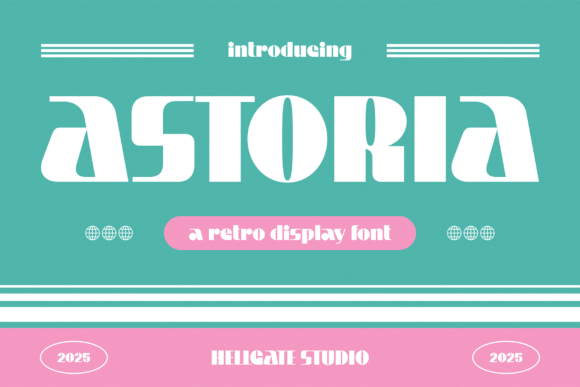
The appeal of Astoria lies in its audacious attitude. It isn't a shy font that fades into the background. Instead, it commands attention with its sharp lines and retro flair, embodying the iconic aesthetic often associated with the Miami Vice era. However, unlike some vintage fonts that feel dated or dusty, Astoria is expertly designed for modern flair and readability. It captures the essence of "Retro Display" typography while maintaining the crispness required for high-impact digital and print media. Whether you are designing a logo for a surf shop, creating merchandise for a synth-wave music festival, or laying out a magazine cover, this typeface provides the visual shorthand for "cool" that is often difficult to achieve.
The Anatomy of a Retro Display Font
What makes a typeface like Astoria work so well in today’s market? It comes down to the balance between style and function. Many decorative or themed fonts sacrifice legibility for the sake of looking unique. You might find a font that looks great in a large headline but becomes an unreadable mess when scaled down. Astoria avoids this trap. It is rendered with meticulous precision, ensuring that the character spacing and weight distribution allow for effortless readability.
The font package typically includes OTF (OpenType) files, which are standard for high-quality typography. This ensures that the vector curves remain smooth whether you are printing a massive billboard or viewing a website on a mobile device. For the designer, this means versatility. You aren't locked into a single static look; the text can be easily edited, colored, and manipulated to fit the specific color palette of your project. This flexibility is crucial for maintaining visual consistency across different brand assets.
Real-World Applications: From Branding to Merchandise
Understanding where to deploy a font like Astoria is key to getting the best return on your design investment. Because it is a display font, it thrives in environments where it can be the star of the show. Here is how you can practically apply Astoria to various creative and commercial projects:
- Logo Design and Brand Identity: If you are building a brand that wants to convey energy, nostalgia, or a laid-back coastal vibe, Astoria is an excellent choice for your primary wordmark. It works exceptionally well for lifestyle brands, boutique hotels, fitness apparel, and entertainment venues.
- Packaging Design: In the crowded aisles of retail or the infinite scroll of an e-commerce store, packaging needs to pop. Using Astoria for product names on labels—think craft beers, beauty products, or gourmet snacks—can instantly communicate a specific mood and stand out against competitors using generic typography.
- Social Media Graphics and Web Design: Attention spans on social media are short. A bold header in Astoria can stop the scroll. It is perfect for Instagram quotes, YouTube thumbnails, or website hero sections where you need to make an immediate impact.
- Print Materials and Invitations: For event planners and stationery designers, this font offers a unique alternative to standard script fonts. It is ideal for retro-themed wedding invitations, party flyers, concert posters, and editorial layouts that aim for a vintage aesthetic.
- Merchandise: T-shirts, hats, and tote bags often rely on typography that stands alone as a graphic element. Astoria’s bold structure makes it perfect for apparel printing, ensuring the text remains legible and stylish.
Strategic Typography: Matching Font to Goal
Choosing the right font is not just about what looks "cool" on the screen; it is a strategic decision that affects how your audience perceives your brand. Typography is a silent ambassador for your brand identity. When you choose Astoria, you are making a deliberate decision to align your brand with specific values: energy, creativity, confidence, and a touch of nostalgia.
Consider the difference between a law firm and a music festival. A law firm needs a sans serif font or a traditional serif font to convey trust, stability, and seriousness. A music festival, however, needs to convey excitement, fun, and community. Astoria fits perfectly into the latter category. It signals to the viewer that the content is going to be engaging and perhaps a bit playful. This alignment between visual language and brand promise is what separates amateur designs from professional brand identities.
Mastering Font Pairings and Readability
One of the most common questions in modern typography is how to pair fonts. A display font like Astoria is bold and characterful, which means it needs a partner that can take a backseat without disappearing. You generally wouldn't pair Astoria with another decorative or handwritten font, as that would create visual chaos.
Instead, the best practice for font pairing is contrast. Because Astoria has such a strong retro personality, it pairs beautifully with clean, neutral sans serif fonts for body text. Think of fonts like Montserrat, Lato, or Open Sans. These provide a clean reading experience for paragraphs and descriptions, allowing Astoria to handle the headlines and pull-quotes. This hierarchy ensures that your design is not only beautiful but also functional. The audience can easily scan the important information (the headline) and then digest the details (the body text) without eye strain.
Testing and Refinement
Before finalizing any design, it is essential to test your typography in context. A font might look great on a white background in your design software, but how does it look on a textured background? How does it look in all caps versus title case? When working with a premium font like Astoria, take the time to experiment with kerning (the space between letters) and leading (line spacing). Sometimes, adding a little extra space to a display font can make it feel even more luxurious and open, enhancing that coastal, airy vibe.
Commercial Licensing and Project Security
For small business owners and entrepreneurs, the technical side of typography—licensing—is just as important as the visual side. When you purchase a commercial font like Astoria, you are buying the legal right to use that design in your projects. This is a critical step that is often overlooked by those using free font sites.
Using a properly licensed font ensures that your brand identity is secure. You won't face legal issues down the road if your brand grows and comes under scrutiny. It also ensures that you are using high-quality design assets. Free fonts often lack the full character sets or the technical refinement of paid typefaces. By investing in a quality font package, you are investing in the longevity and professionalism of your business. Always review the specific license included with your download to understand where and how you can use the font (e.g., on websites, in apps, or on physical goods).
Breathing Life into Your Designs
In conclusion, typography is the voice of your design. While images capture attention, the right typeface sets the tone and tells the story. The Astoria typeface is more than just a collection of letters; it is a tool for capturing a specific, vibrant energy that resonates with audiences looking for something bold and authentic. Whether you are refreshing a logo, launching a new product line, or creating a social media campaign, embracing the audacious spirit of this retro display font can help you create visuals that are not only seen but truly felt. It offers the perfect blend of 80s nostalgia and modern functionality, making it a valuable addition to any creative’s toolkit.