Why the Stacked Letter Style is a Game Changer for Creative Branding
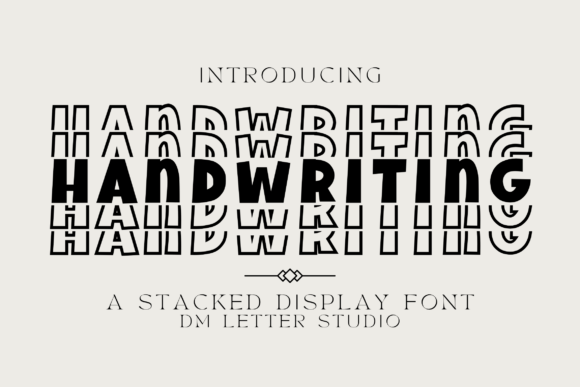
There is a specific kind of visual magnetism that happens when a design breaks away from the rigid horizontal grid we are so used to seeing. In a sea of standard serif and sans serif fonts that stretch wide across the page, the concept of Handwriting Stacked offers a refreshing, vertical rhythm that demands a second look. It isn’t just a typographic choice; it is a stylistic statement that injects personality, playfulness, and a unique structural flair into any project. For designers, entrepreneurs, and content creators looking to shake up their visual language, this vertically-stacked letter style acts as a bridge between the warmth of hand-lettering and the bold impact of modern display typography.
Breaking the Mold: The Anatomy of a Vertical Typeface
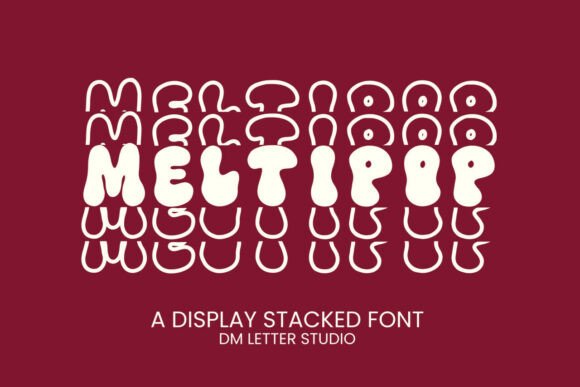
When we talk about Handwriting Stacked, we are looking at more than just letters piled on top of one another. We are talking about a deliberate design philosophy. Unlike traditional script fonts that mimic cursive flowing left to right, this style forces the viewer to engage with the word differently. It creates a block-like structure that is inherently bold, yet because it retains a handwritten, scribed quality, it softens the edges. This duality is what makes it such a versatile asset. It carries the structural integrity of a logo mark while maintaining the approachable, sincere vibe of a journal entry.
The visual appeal lies in its "whimsy." Standard typography can often feel corporate or sterile. However, a stacked, hand-scribed typeface radiates an immediate sense of fun. Imagine a children’s book cover where the title tumbles down the page, or a vibrant poster where the typography becomes the central art piece rather than just a label. This style thrives in lighthearted design work because it mimics the way we might jot down a note on a sticky pad—unhurried, authentic, and full of character.
Real-World Applications: From Packaging to Apparel
The true test of a premium font is how well it performs across different mediums. A typeface might look great on a computer screen, but how does it hold up when printed on a coffee bag or embroidered on a t-shirt? This is where a creative font like Handwriting Stacked truly shines. Its blocky, vertical nature makes it incredibly adaptable for packaging design. Because the text occupies a square footprint rather than a wide rectangle, it fits perfectly on labels, tags, and box sides where space is at a premium.
For those in the apparel industry, the "laid-back, yet imaginative aura" of this font is ideal. It translates beautifully onto merchandise because it feels custom-made. It avoids the look of "off-the-shelf" standard fonts. Think about a vintage-style t-shirt or a tote bag; the stacked lettering gives it that indie, artisanal feel that is so popular in modern fashion. It works exceptionally well for:
- Logo Design: Creating a memorable monogram or wordmark that stands out in a crowded market.
- Invitations: Setting a playful tone for weddings, birthdays, or event flyers.
- Digital Products: Adding flair to e-book covers, worksheets, or online course branding.
- Editorial Design: Using it for pull quotes or chapter headings in magazines to break up text-heavy layouts.
Strategic Typography: Aligning Fonts with Brand Identity
Choosing a font is rarely just about aesthetics; it is a strategic business decision. Your typography is a silent ambassador for your brand. If you are a small business owner or a creative entrepreneur, you want your visual assets to communicate your values instantly. If your brand voice is energetic, youthful, and approachable, a rigid corporate typeface sends the wrong message. Conversely, using a Handwriting Stacked style signals that you are creative, accessible, and unafraid to be different.
Consider the psychology of the viewer. A vertically stacked font forces a slower reading pace, which can actually be a benefit in short-form content. It makes the reader pay attention. This is particularly effective for social media graphics and Instagram quotes, where you have only a fraction of a second to stop someone from scrolling. The unique silhouette of stacked text creates a "thumb-stopping" visual anchor. It improves audience engagement simply by being visually distinct from the standard horizontal text cluttering their feed.
Mastering the Pairing: Balancing Whimsy with Professionalism
One of the biggest challenges with using a display font or a strong handwritten font is ensuring it doesn't overwhelm the message. This is where understanding font pairing becomes crucial. A typeface as expressive as Handwriting Stacked works best when it is the "star of the show," supported by a quieter supporting cast.
A common mistake is pairing a decorative font with another decorative font, which results in visual chaos. Instead, balance the whimsy of the stacked style with a clean, neutral sans serif font for body text. For example, if you are designing a poster, use the stacked font for the headline to draw the eye, and use a classic sans serif for the date, time, and location details. This contrast ensures readability while maintaining a professional presentation.
When testing your pairings, always consider the context. If you are working on a website, ensure that the stacked font is used sparingly—perhaps for hero section headlines or call-to-action buttons. Do not force your website visitors to read paragraphs of stacked text; it will hurt readability. Instead, use it as an accent to highlight key value propositions. This approach maintains the user experience while injecting that necessary brand personality.
Practical Tips for Implementation and Licensing
Before you dive into your next project, it is worth taking a moment to review the specific assets included with your typeface. A high-quality font family often comes with more than just the basic A-Z characters. Look for stylistic alternates, ligatures, and extended language support. These extras can significantly expand your creative options, allowing you to customize the look so it doesn't appear generic to other users of the same font.
Furthermore, never overlook the boring but essential part: licensing. If you are a freelancer or a business owner, you need to ensure that the font you are using allows for commercial use. "Free for personal use" does not cover client work, merchandise sales, or digital products intended for profit. Always verify that you have the correct commercial license for your specific needs. It protects you legally and ensures that the font creators are compensated for their work in crafting these unique design assets.
Ultimately, the goal of modern typography is to find that sweet spot between form and function. A font like Handwriting Stacked offers a rare opportunity to inject sincerity and warmth into your designs without sacrificing the structural needs of layout and branding. Whether you are designing a vibrant poster, a charming children’s book, or a laid-back t-shirt, letting this playful typeface take the lead can breathe life into your work, ensuring your message isn't just read, but truly felt.