Why Habitable is the Warm, Friendly Typeface Your Brand Needs
There’s a certain feeling that comes with the first crisp air of autumn. It’s a sense of warmth, comfort, and approachability—a visual language of rich colors and soft textures. Now, imagine translating that feeling directly into your typography. That’s the core idea behind Habitable, a premium sans serif font designed to evoke the same modern, friendly, and inviting atmosphere. It’s more than just a collection of letters; it’s a design asset built for connection.
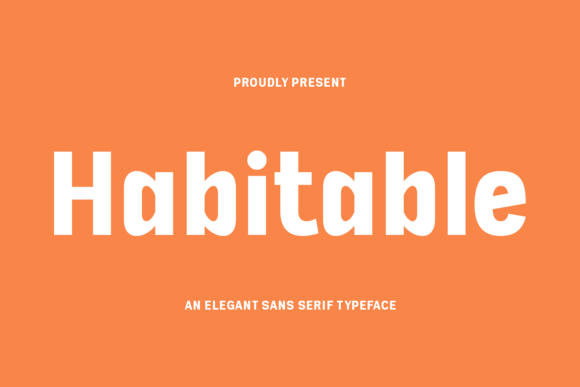
At first glance, Habitable makes its personality clear. Its heavy weight gives it a confident presence, perfect for grabbing attention in headlines or on a product label. But it’s the soft, rounded letterforms that truly define its character. This isn’t a sharp, geometric typeface that feels cold or corporate. Instead, the gently curved terminals and open counters create a sense of approachability and ease. The high-contrast color palette often showcased with it—think deep terracottas, warm ochres, and rich greens—isn’t just for show. It demonstrates how the font’s structure pairs beautifully with the kind of vibrant, seasonal palettes that make designs feel alive and relevant.
A Typeface for Real-World Projects
So, where does a font like Habitable actually fit into your creative workflow? Its strength lies in its versatility across both digital and physical mediums, making it a go-to creative font for a wide range of projects.
For branding and logo design, Habitable offers a unique advantage. It allows a brand to feel established and professional without appearing sterile. A local coffee roaster, a boutique skincare line, or a modern furniture studio could use it as their primary typeface. The heavy weight is perfect for a logomark, ensuring it stands out on packaging and signage, while its friendly demeanor makes the brand feel more human and less distant.
This translates seamlessly into packaging design. On a shelf crowded with competing products, a package set in Habitable feels both bold and welcoming. It’s highly readable, which is crucial for conveying product information quickly, but its distinctive style also helps build instant brand recognition. Think of the front of a artisanal granola bag or the label on a small-batch candle—the font’s warmth complements the product’s story.
In the digital realm, its utility is just as strong. For social media graphics, where you have mere seconds to make an impact, Habitable’s clear, heavy letterforms cut through the noise. It’s perfect for quote graphics, sale announcements, or story templates that need to feel engaging and modern. When used on a website or blog, it can serve as a powerful headline font, drawing readers into articles or product descriptions. Its readability on screen, even at larger sizes, ensures a pleasant user experience.
Building a Cohesive Visual Identity
One of the most significant challenges in design is achieving visual consistency. Your Instagram feed, your website, your business cards, and your invoices should all feel like they belong to the same family. This is where a versatile display font like Habitable proves its worth. By using it consistently across all your marketing assets—from email headers to PDF guides—you reinforce your brand’s identity with every piece of communication.
This consistency directly fuels brand recognition. When your audience repeatedly encounters the same unique, friendly typeface, they begin to associate those positive feelings with your business. It becomes a visual shorthand for your brand’s values—perhaps creativity, approachability, and quality. For editorial layouts in magazines or lookbooks, Habitable can create striking pull quotes and section headers that guide the reader’s eye and add a layer of sophisticated, modern typography.
The practical benefits extend to professional presentation. A pitch deck, a client proposal, or a workshop handout set in a well-chosen, high-quality typeface immediately elevates the perceived value of the content. It signals that you care about the details, which builds trust. For digital products like e-books, workbooks, or online course materials, using a legible and aesthetically pleasing font like Habitable enhances the learning experience and makes the content more enjoyable to consume.
Practical Advice for Using Habitable Effectively
Adopting a new typeface is exciting, but a few practical considerations will help you get the most out of it.
- Understand Its Personality: Habitable is a modern sans serif with a strong, friendly voice. It’s ideal for projects that aim to be approachable, contemporary, and warm. It may not be the best fit for ultra-formal or traditional contexts where a classic serif font would be more appropriate.
- Master Font Pairing: No font works in isolation. For body text or longer paragraphs, pair Habitable with a highly legible serif or a simple sans serif. This contrast creates visual hierarchy and ensures readability. For example, use Habitable for all your headings and a clean font like Lora or Open Sans for the main text on your website.
- Test for Readability: Always test your chosen font style at the intended size and medium. While Habitable’s heavy weight is excellent for impact, ensure it remains clear and legible at smaller sizes, especially in dense packaging information or mobile website layouts.
- Explore the Included Styles: A good premium font often comes with more than one weight. Check what’s included with your license. Having access to a regular, bold, or even an italic version of Habitable gives you more flexibility to create nuanced designs without needing another typeface.
- Review Commercial Licensing: This is a critical, often overlooked step. Before using any font in a commercial project—whether for a client, your own business, or merchandise—confirm that your license covers that specific use. Understanding the terms ensures your brand identity is built on a solid, legal foundation.
Ultimately, choosing a typeface is about finding a voice for your visual message. Habitable offers a distinct voice that is confident yet kind, modern yet timeless. It’s a tool designed not just to display words, but to create a feeling—one of warmth, professionalism, and genuine connection that can resonate deeply with your audience.