Slantfill: A Playful Typeface for Hand-Drawn Branding
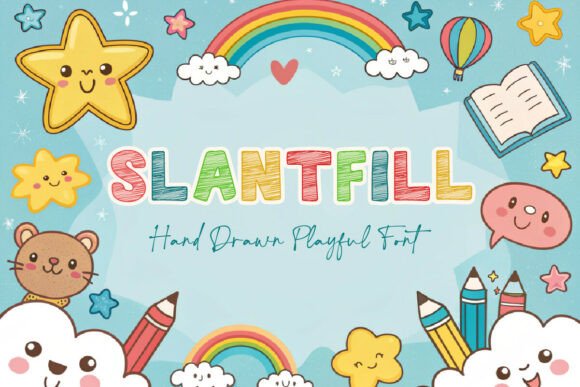
There’s a certain energy that comes from hand-drawn design—the kind of imperfect, textured look that feels alive and approachable. If you’ve been searching for a typeface that captures that vibe without sacrificing versatility, Slantfill might be exactly what your creative toolkit needs. This bold, uppercase display font is filled with dynamic diagonal hatch lines, giving every letter a sketched, textured appearance that feels both playful and intentional.
Unlike polished, geometric fonts that can sometimes feel sterile, Slantfill brings a hand-drawn quality to the table. The diagonal hatch marks inside each character create a sense of movement and rhythm, making the font feel dynamic even when it’s sitting still. It’s the kind of typography that draws the eye and holds attention—not because it’s loud, but because it has personality.
What Makes Slantfill Visually Appealing?
The charm of Slantfill lies in its texture. Each uppercase letter is crafted with bold, confident strokes, but the interior isn’t a solid fill—it’s a series of diagonal lines that give the impression of shading or crosshatching. This detail adds depth and visual interest without overwhelming the design. It’s a subtle effect, but it transforms standard block letters into something that feels artisanal and expressive.
Because Slantfill is a standard vector outline font—not a color font—it’s incredibly flexible. You can change its color to match any palette, scale it without losing quality, and use it across both digital and print projects. The vector-based construction means it works seamlessly in design software like Adobe Illustrator, Photoshop, Canva, and even basic word processors. That makes it accessible whether you’re a seasoned designer or a small business owner experimenting with DIY branding.
The font’s uppercase-only design reinforces its display nature. It’s not meant for long paragraphs of body text, but for headlines, logos, and other focal points where you want to make a statement. Think of it as the typographic equivalent of a bold brushstroke—it’s there to grab attention and set the tone.
Practical Applications for Creative Projects
Slantfill’s textured, hand-drawn aesthetic makes it a natural fit for projects that need a casual yet eye-catching typography element. Here’s where it really shines:
- Branding & Logo Design: If your brand identity leans toward playful, artistic, or approachable, Slantfill can anchor your visual language. It works well for creative agencies, boutique shops, craft brands, and lifestyle businesses that want to feel relatable rather than corporate.
- Packaging Design: Products aimed at a younger demographic or those with a handmade, artisanal quality benefit from textured fonts. Slantfill can add character to labels, boxes, and tags—especially for food, cosmetics, or stationery brands.
- Social Media Graphics: In a feed full of clean sans-serifs and minimalist layouts, a font like Slantfill can stop the scroll. Use it for quote graphics, promotional posts, or story highlights where you want to inject some personality.
- Posters & Invitations: Event posters, wedding invitations, and party flyers often call for typography that feels festive and fun. Slantfill’s sketchy style fits right in, especially for casual or themed events.
- Merchandise & Apparel: Tote bags, t-shirts, mugs—any product where the text itself is part of the design can benefit from a display font with this much character.
- Blog Headers & Website Banners: While you wouldn’t use Slantfill for body copy, it can make a striking headline or section header on a website, especially for blogs in creative niches like design, DIY, or food.
The key is to use Slantfill where it has room to breathe. Because of its bold, textured nature, it works best at larger sizes where the diagonal hatch lines are visible and impactful.
Pairing Slantfill with Other Fonts
A display font rarely works alone. Pairing Slantfill with a complementary typeface is essential for creating balanced, readable designs. Here are some practical pairing strategies:
- With a Clean Sans-Serif: Fonts like Montserrat, Open Sans, or Poppins provide a neutral backdrop that lets Slantfill take center stage. Use the sans-serif for body text and Slantfill for headlines.
- With a Simple Serif: For a more editorial or sophisticated look, pair Slantfill with a classic serif like Lora or Playfair Display. This works well for magazines, blogs, or branding that blends creativity with elegance.
- With a Handwritten Script: If your project leans heavily into a handcrafted aesthetic, a casual script font can complement Slantfill’s texture. Just be careful not to overdo it—too many textured fonts can look cluttered.
Always test your pairings in context. Mock up a sample design—whether it’s a social media post, a business card, or a website header—and see how the fonts interact. Check for contrast in weight, style, and x-height. The goal is harmony, not competition.
Readability and Practical Considerations
While Slantfill is visually engaging, it’s important to consider readability. Display fonts are designed for impact, not for extended reading. Use Slantfill sparingly—think titles, subheadings, logos, and call-to-action text. For longer copy, switch to a more legible typeface.
Also, keep in mind that Slantfill includes uppercase letters only. This is typical for display fonts, but it means you’ll need to plan your text accordingly. Acronyms, short phrases, and single words tend to work best. Avoid using it for sentences that require lowercase letters for readability.
If you’re working on a commercial project, always review the font’s licensing. Slantfill is a premium font, so ensure your purchase covers your intended use—whether it’s for a client project, merchandise for sale, or digital products. Most font licenses are straightforward, but it’s worth double-checking before you finalize your design.
Matching Typography to Your Project Goals
Choosing the right font isn’t just about aesthetics—it’s about communication. Slantfill’s playful, textured style sends a specific message: that your brand or project is creative, approachable, and unafraid to stand out. If that aligns with your goals, it’s a strong choice.
Consider the context. A children’s book cover? Slantfill could be perfect. A law firm’s website? Probably not. The font’s personality should match the tone of your project. When typography and intent align, the result is a cohesive, professional presentation that resonates with your audience.
Experiment with color, too. Because Slantfill is a vector font, you can fill it with any color—solid, gradient, or even a pattern. A vibrant coral or deep teal can amplify its playful energy, while a muted gray or navy can give it a more refined feel.
Ultimately, Slantfill is a tool in your design toolkit—a creative font that, when used thoughtfully, can elevate your visuals and help you connect with your audience on a more human level. It’s not about following trends; it’s about finding the right voice for your message.