Cartoon Carving: Injecting Playful Energy into Your Designs
There’s a distinct feeling you get when a design instantly makes you smile. It’s not just about bright colors or familiar characters; it’s often in the typography. A font can carry a mood all on its own, and some typefaces are built from the ground up to radiate joy, energy, and a sense of fun. If you’re working on a project that needs to break from corporate stiffness and connect with a sense of whimsy, the right typeface is your most powerful tool. This is where a bold, character-driven display font enters the conversation, transforming standard text into a visual experience.
More Than Just Letters: Understanding the Visual Impact
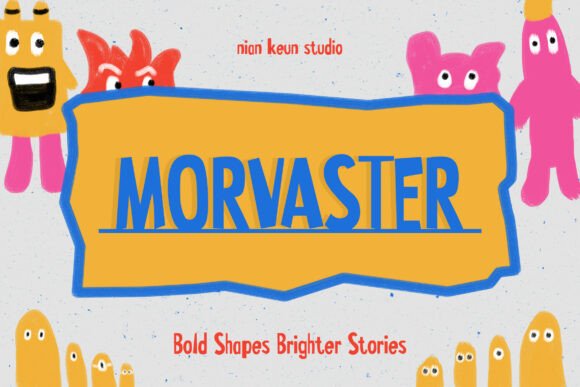
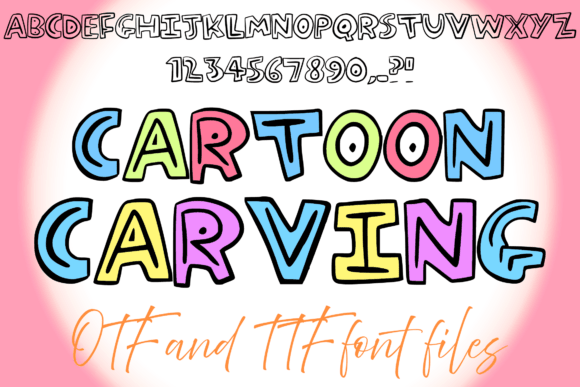
At its core, Cartoon Carving is a display typeface designed for impact. Its visual DNA is built on hand-drawn outlines and chunky, substantial letterforms. This isn't a subtle, whispering font; it's a confident, playful statement. The slightly irregular edges and solid shapes give it an organic, crafted feel that digital precision often lacks. This human touch is crucial for projects aiming for authenticity and approachability. It can be used in a full-color style for maximum vibrancy or in a clean outline version, offering versatility for different backgrounds and printing needs. The result is text that feels dynamic and alive, perfect for grabbing attention in a crowded visual space.
Practical Applications: Where Playful Typography Shines
The true value of a creative font like this is measured by its utility across real-world projects. Its energetic personality makes it a natural fit for a wide array of applications, each benefiting from its unique charm.
- Branding & Logo Design: For businesses targeting families, children, or anyone seeking a lighthearted identity, this font can become a cornerstone of the brand identity. Think of a logo for a bakery, a toy shop, a family-friendly restaurant, or a children's educational app. The font immediately communicates the brand's personality before a single word of copy is read.
- Packaging Design: On a shelf, packaging has seconds to make an impression. Using a bold, handwritten font style for product names on snack foods, candy, craft supplies, or pet toys can make the product stand out and feel more approachable and fun than its competitors.
- Marketing & Social Media: In the fast-scrolling world of social media, static images need to pop. This font is excellent for creating eye-catching social media graphics, Instagram stories, YouTube thumbnails, and promotional posters. It ensures key messages, like sale announcements or event titles, are impossible to ignore.
- Editorial & Digital Products: Children's book titles, chapter headings in a playful magazine, or the title slide of an engaging presentation can all leverage this font to set a specific, inviting tone. It’s also ideal for designing the cover of a digital workbook, a fun PDF guide, or an interactive e-book.
- Events & Personal Projects: From a vibrant birthday party invitation to custom t-shirt designs for a family reunion, the font adds a layer of personalized, joyful flair that generic fonts simply can't match.
Achieving Visual Consistency and Brand Recognition
One of the most significant challenges in design is maintaining a consistent voice. When a brand uses a playful, energetic font like Cartoon Carving across its logo, website headers, social media banners, and printed flyers, it creates a cohesive visual language. This consistency is fundamental to building strong brand recognition. Customers begin to associate the specific typographic style with the brand's personality, making communications instantly identifiable. This moves beyond just having a nice-looking logo; it's about crafting an entire aesthetic that feels unified and intentional, whether a customer sees a post online or a flyer in a coffee shop.
Smart Font Pairing and Readability Considerations
A powerful display font is most effective when used strategically. It’s rarely the best choice for long paragraphs of body copy, where readability is the primary goal. The real magic happens in pairing.
For instance, you might pair the bold, expressive outlines of Cartoon Carving for headlines with a clean, simple sans serif font for subheadings or body text. This creates a clear visual hierarchy: the display font grabs attention, while the supporting typeface delivers the detailed information with clarity. Experiment with pairings in your design software. Test how the chunky shapes of your headline interact with the lines of your body text. The goal is harmony, not competition. Always step back and view your design at a small size (like a mobile screen thumbnail) and a large size (like a printed poster) to ensure the text remains legible and effective in both contexts.
Choosing the Right Style and Licensing for Your Project
Before you finalize a design asset, it's wise to review what's included with the font package. A quality premium font will often include multiple styles—such as regular, bold, outline, and sometimes even alternate characters or ligatures. Understanding these options allows you to use the typeface more dynamically within a single project, adding emphasis and variety without introducing conflicting styles.
Equally important is understanding the license. If you're using the font for a client project, merchandise for sale, or a business website, you need a commercial font license. Always verify the license terms provided by the font creator or marketplace. This ensures you are legally covered for your intended use, whether it's for a local small business or a large-scale marketing campaign. Taking a moment to check this protects both you and your client, and it's a mark of professional practice.
Finding a typeface that perfectly captures a project's spirit can be a game-changer. It’s not just about filling space with text; it’s about infusing your design with emotion and personality. When a project calls for energy, approachability, and a bold visual statement, a font with a distinct, hand-crafted character can provide the exact solution you need, making your work not only seen but felt.